
Sub-Total: $0.00
A Beginner’s Guide to Raising Sheep Sustainably
Embarking on beginner sheep farming is both exciting and demanding. This blog will help new shepherds transition from curiosity to competence, focusing on sustainable practices that benefit your homestead, environment, and budget. This offers actionable steps for raising sheep sustainably, ensuring you build a resilient, eco-friendly flock that fits your goals.
Choosing the Right Sheep Breeds for Your Sustainable Dream
Selecting the right sheep breed is crucial for raising sheep sustainably. Your choice should align with local climate, available space, and long-term farm objectives, streamlining everything from health management to fencing. Climate adaptability is key; breeds such as Icelandic, Finnsheep, and Dorset thrive in regions with harsh winters and warm summers. For those seeking gentle, manageable sheep, Corriedale and Southdown are ideal. If you want both wool and meat, Romney and Columbia suit dual-purpose needs, while Cotswolds deliver premium fleece. Katahdin hair sheep are valued for their organic lamb and no-shearing requirements. Disease resistance is increasingly important. Genomic selection now helps identify lines with parasite resilience, a vital trait as synthetic dewormers lose efficacy.
Pasture Management and Rotational Grazing for Thriving Flocks
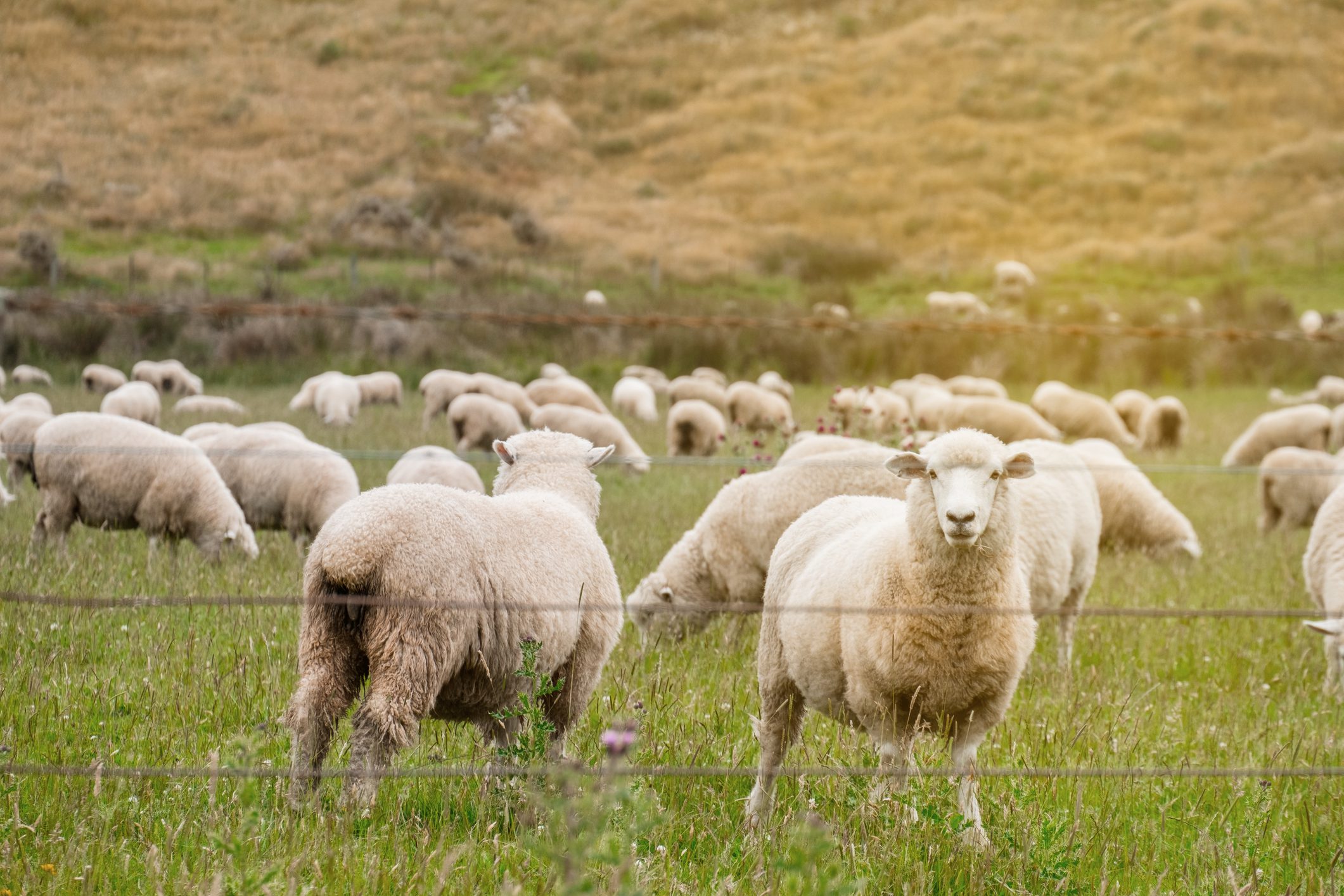
A healthy pasture is the backbone of sustainable sheep farming. Regenerative rotational grazing mimics natural herding patterns, preventing overgrazing and supporting soil health and biodiversity. Silvopastoral and rotational systems have documented benefits, improving soil organic matter, water infiltration, and wildlife habitats.
Core practices:
– Divide land into paddocks with temporary poly-wire, giving sheep three days of grazing per section before rotating.
– Move sheep when forage is grazed to 3-4 inches, allowing for rapid regrowth.
– Rest paddocks for 25-40 days (longer during drought) to disrupt parasite cycles.
– Monitor grass height with a pasture stick or satellite imagery apps. Precision Livestock Management tools are gaining adoption for efficiency.
Addressing hurdles:
– For weeds, graze goats ahead of sheep or mow before weeds set seed.
– Supplement hay on small lots during slow regrowth to avoid overgrazing.
– Collaborate with neighbors to rotate flocks and share fencing.
Sheep Nutrition, Flock Health, and Ethical Animal Care
Sheep flourish on pasture, but balanced nutrition and vigilant health care are essential for sustainable outcomes. Ruminants require fresh forage, minerals, and clean water.
Nutritional guidelines:
– Sheep consume about 3% of their body weight in dry forage daily.
– Provide loose mineral mixes with selenium, especially for Upper Midwest soils.
– Feed winter hay with 12–14% protein, particularly for pregnant ewes; test hay for nutrients.
– Ensure year-round water access; lactating ewes may drink up to 3 gallons daily.
Flock health essentials:
– Administer CDT vaccinations twice yearly (lambs at 4–6 weeks, then a booster).
– Conduct FAMACHA checks every 10 days in summer; deworm strategically to prevent resistance.
– Trim hooves every 8–10 weeks to prevent rot.
– Prepare clean, draft-free lambing jugs with iodine and colostrum replacer.
Ethical animal care involves low-stress handling and daily observation. Sourcing minerals and feed from reliable sources ensures transparency and quality, supporting flock health and a robust supply chain.
Additional support:
– Build relationships with a sheep-savvy veterinarian.
– Engage with local Extension grazing groups for mentorship.
– Participate in online sheep forums for advice and community.
Shelter, Fencing, and Safe Living Spaces
Sheep are hardy, but effective shelter is necessary, especially in northern climates. A well-designed three-sided structure with dry bedding ensures flock comfort year-round.
Key shelter tips:
– Face shelters south or east for wind protection and warmth.
– Install ridge vents for ventilation, preventing dampness.
– Use deep-pack straw bedding for warmth and compost benefits.
– Combine 4-ft woven wire with hot wire to deter predators.
Other tips:
– Add shade cloth in summer to reduce heat stress.
– Use snow fencing in winter to keep drifts away from barn doors.
– Raise lambing pens in spring to prevent scours from wet ground.
Wool, Meat, and Sustainable Rewards of Small Farm Sheep
Sustainable sheep farming yields practical rewards for your homestead.
– Wool Production: Global demand is projected to reach $17.58 billion by 2026. Hand-processed fleece for fiber artists brings premium prices. Skirt, wash, card, and spin wool at home or a local mill.
– Locally Sourced Meat: With lamb prices up 33% in 2026 and inventories lower, raising your own stabilizes food costs. Minnesota’s regulations allow for personal or family use processing.
– Closed-Loop Homesteading Systems: Each ewe’s manure adds nitrogen to gardens, and composted bedding nourishes berry rows. Wool scraps serve as weed barriers, reducing plastic use.
Addressing consumer priorities:
– Use QR-coded tags for traceability, connecting buyers to flock histories.
– Share rotational grazing maps and vet records for transparency.
– Maintain shearing schedules for consistent wool quality.
Enjoy farm-to-fiber activities:
– Host “lamb to loom” workshops for your community.
– Bundle raw fleece with drop-spindle kits for fiber enthusiasts.
– Partner with solar farms for agrivoltaic “sheep mowing,” promoting renewable energy and earning grazing fees.
Building Your Sustainable Sheep Legacy
From breed selection to paddock management, balanced nutrition, innovative shelter, and farm crafting, sustainable sheep farming is within reach. With strong knowledge and a supportive network, you can nurture healthy flocks, vibrant soil, and your family’s table. You can also buy our farm’s products.