
Sub-Total: $0.00
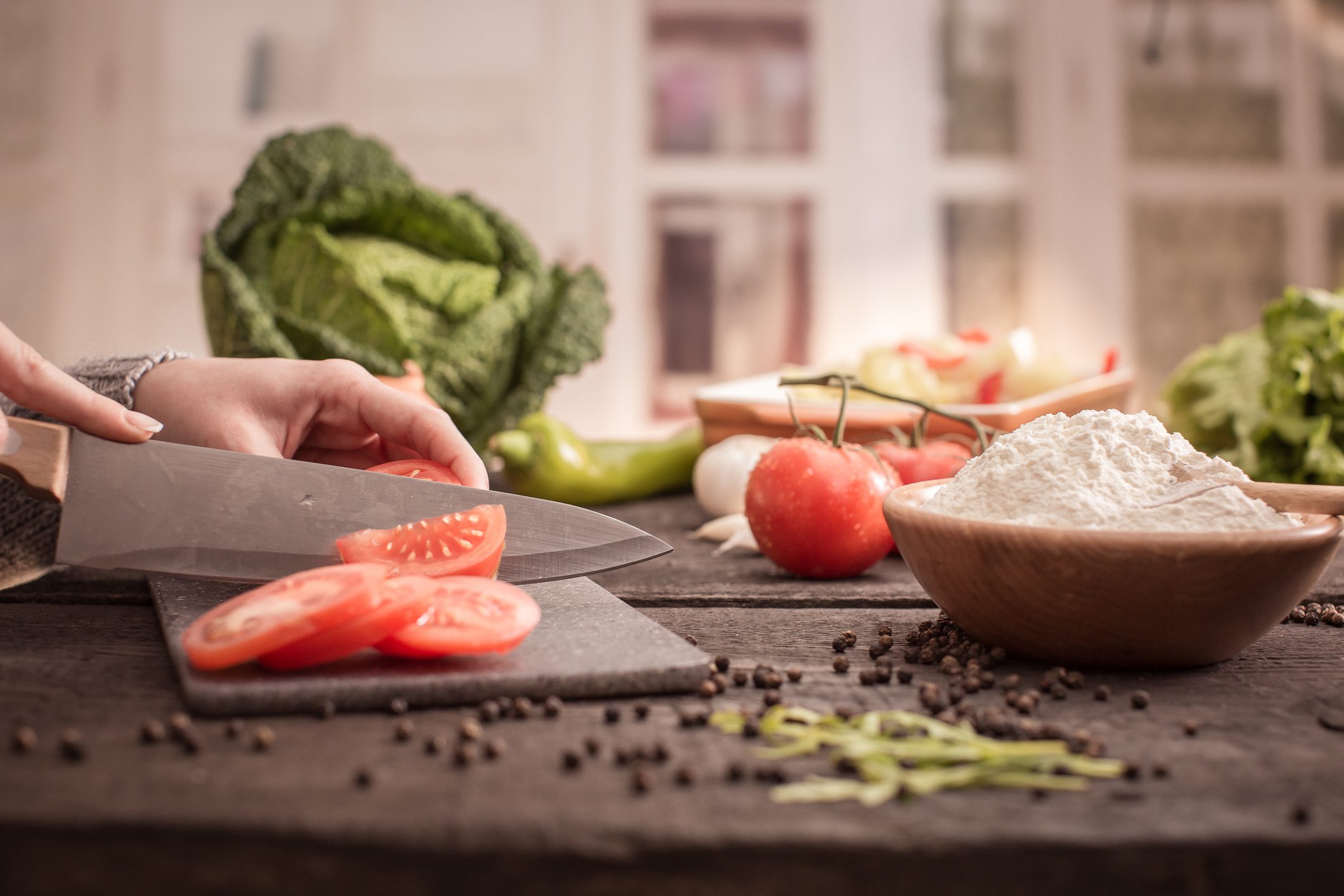
How to Get Started With Cottage Food Preparation at Home
Transforming your cherished recipes into a business is now more accessible than ever. Thanks to Minnesota’s progressive cottage food preparation at home laws, you can launch a homemade food business from your own kitchen. This guide walks you through legal requirements, kitchen setup, branding, compliance, and sustainable growth, providing a step-by-step roadmap for success.
Understanding Minnesota Cottage Food Laws and Home Kitchen Regulations
Minnesota’s Cottage Food Law lets individuals sell “non-potentially hazardous foods” directly to consumers, with oversight by the Minnesota Department of Agriculture (MDA). Permitted products include baked goods, jams, dehydrated herbs, candy, and pickles with a pH below 4.6. Foods needing strict Time/Temperature Control for Safety (TCS), like meat, dairy custards, and cream pies, are not allowed.
To legally start selling food from home, you must obtain Cottage Food Registration. The process is straightforward: complete MDA-approved food safety training (less than three hours online), submit the registration form, and pay the applicable fee. Tier A, for those with under $7,665 in previous year sales, is free. Your registration certificate must be displayed wherever you sell your products.
Digital forms and e-signatures streamline the process. Stay updated by regularly checking the MDA’s Cottage Food page and reliable legal resources.
Preparing Your Home Kitchen for Safe and Compliant Food Production
A clean, organized kitchen is vital for safe cottage food preparation at home. Before starting production, ensure you:
– Sanitize surfaces with 200 ppm chlorine or 400 ppm quaternary ammonia
– Use color-coded cutting boards to prevent cross-contact
– Store finished products at least six inches above the floor and away from household chemicals
Minnesota requires annual food safety training. This training covers critical labeling requirements: list ingredients by weight, highlight common allergens, include your name and address, and state “These products are homemade and not subject to state inspection.”
Routine inspections are rare, but the MDA may inspect if a complaint is filed. Keep receipts, sanitation records, and thermometer calibrations organized. Traditional methods blend with modern tools, such as 3D-printed label applicators, to ensure accuracy and transparency—a balance you can achieve in your kitchen.
Crafting a Business Identity and Standing Out in Local Food Markets
Building a strong brand for your homemade food business involves more than appealing packaging. Focus on these pillars:
– Your story: Emphasize personal roots, such as growing up on a farm or using local grains
– Product authenticity: Highlight ingredients like farm-fresh eggs, Minnesota honey, or heritage grains
– Visual personality: Use consistent colors and handcrafted packaging that reflects your kitchen’s warmth
Engage with your local food community by joining farmers’ markets, offering samples with QR codes for preorders, sharing behind-the-scenes moments on social media, and collaborating with CSA programs to feature your products.
Authentic storytelling and farm-rooted details can help your home bakery stand out in Minnesota’s local food markets.
Navigating Sales, Permits, and the Essentials of Food Labeling
Maintaining compliance when selling homemade goods in Minnesota is crucial. Use this checklist:
– Renew your Cottage Food Registration annually
– Monitor your gross sales; the annual cap may increase from $78,000 to $85,000 in 2027
– Keep records of ingredient invoices for tax and sourcing verification
– Ensure labels meet state requirements, including:
– Product name (e.g., Chocolate Chip Cookie)
– Ingredients listed by weight
– Allergens clearly marked
– Your name and address
Using a label template can streamline updates. Transparency builds trust; surveys show 52 percent of consumers are more willing to pay a premium for sustainably marketed farm products.
Stay informed by subscribing to MDA updates and setting Google Alerts for “Minnesota Department of Agriculture cottage food.” Being proactive with compliance and food entrepreneur tips keeps your homemade food business competitive.
Tips for Sustainable Growth and Premium Offerings in Your Cottage Food Business
As demand for your products grows, scale thoughtfully while maintaining quality:
– Introduce one new seasonal specialty each quarter, such as maple-spiced granola in the fall
– Explore micro-manufacturing hubs and co-pack kitchens, reflecting the trend toward ghost kitchens, which contributed to a 26.4 percent increase in direct-to-consumer farm e-commerce in 2026
– Leverage online sales; upcoming Minnesota law revisions will allow in-state shipping, ideal for holiday gift boxes
– Offer premium product tiers, such as custom 3D-printed toppers or personalized gift sets inspired by made-to-order treats
Collect customer feedback through QR surveys and refine your products or packaging based on responses. Announce updates via your newsletter; in 2026, email marketing ROI for agricultural businesses reached $44 per dollar invested.
To manage rising ingredient costs, secure annual contracts with local growers, and minimize waste through careful batch forecasting.
– Invest in energy-efficient dehydrators
– Compost food scraps for local gardens
– Organize deliveries by neighborhood to reduce fuel use
Your Roadmap to Cottage Food Success
From understanding Minnesota cottage food laws to optimizing your kitchen workflow, you now have a clear guide for launching and growing a compliant cottage food preparation at home business. When tradition, transparency, and innovation intersect, your venture can thrive—just as at HDW Farmstead. For more information, get in touch.