
Sub-Total: $0.00
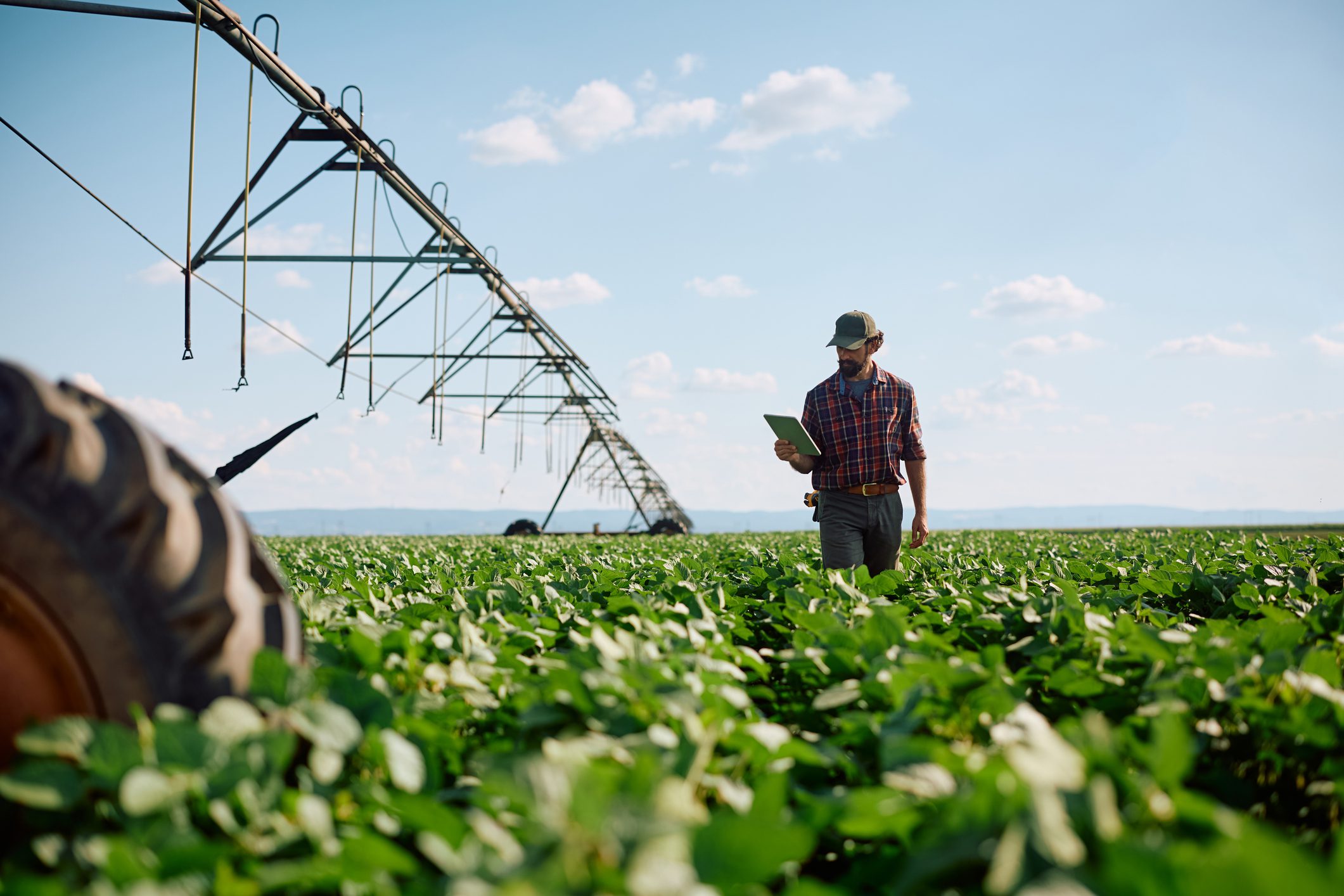
7 Essential Farming Tips and Tricks for Beginners
Starting your farming journey is both exciting and rewarding. With the right approach, even beginners can cultivate thriving gardens and raise healthy livestock. These seven essential tips will guide you through building soil, planning your garden, using the right tools, conserving water, practicing organic methods, managing pests naturally, and caring for livestock. Embrace these fundamentals and set your small farm up for lasting success.
Building the Foundation With Healthy Soil and Smart Crop Rotation
Every abundant harvest begins below the surface. Prioritizing soil health is vital for any aspiring farmer. In Pine River gardens, with their sandy loam and glacial gravel, enhancing soil with organic matter is the first crucial step.
Test your soil using a mail-in kit or the soil test bundle from our farm shop. Layer two inches of finished compost each fall—our sheep-manure compost is gentle yet nutrient-rich. If your soil test reveals low pH, add crushed eggshells or wood ash. For high pH, use peat moss or elemental sulfur. Plant a cover crop such as winter rye to keep soil microbes active even in winter. Rotate crops annually, especially heavy feeders like tomatoes and corn, to prevent nutrient depletion.
Crop rotation benefits your garden by replenishing nutrients, reducing pest populations, and interrupting disease cycles. Legumes, for instance, fix nitrogen, enriching the soil for future crops. Moving crops each year also discourages pests and diminishes soil-borne diseases.
For Pine River growers, rapid snowmelt can leach calcium. A yearly application of finely ground oyster shell helps maintain calcium levels naturally. Solid soil health and crop rotation are the backbone of any successful beginner farming adventure.
Planning Your Garden for Success and Simplicity
Planning your garden thoughtfully prevents overwhelm and ensures a fruitful season. Starting with a realistic plan is more effective than planting too many varieties.
Track sunlight throughout the day and aim for six hours of direct light for vegetables. Start with a 4×8-foot raised bed—large enough for diversity, small enough for easy care. Maintain two-foot paths between beds for easy access with wheelbarrows. Group plants with similar water and nutrient needs together.
Recommended easy-to-grow vegetables for Pine River’s Zone 3b–4a include Sugar Ann snap peas, purple bush beans, lacinato kale, Early Girl tomatoes protected by wall-o-water tents, and Yukon Gold potatoes.
Common beginner problems include over-ambitious seeding, which can be addressed by ordering fewer seeds and succession-planting every three weeks. Maintenance overwhelm can be tackled by using woven-fabric mulch, like our pre-cut rolls for standard beds. To guard against frost surprises, keep floating row cover on hand for sudden May cold snaps.
For a streamlined start, try our laminated layout template and climate-matched seed packs—just sketch, plant, and enjoy.
Essential Farm Tools and Sustainable Water Practices
Investing in quality over quantity ensures your first tool set lasts for years. On our farm, these essentials prove their worth daily:
Stainless digging fork for lifting root crops without damage, with lifetime welds and replaceable 3D-printed handle caps. Hori-hori knife for weeding, transplanting, and cutting twine, with a maple handle crafted in-house. Broadfork for aerating soil without tilling, with teeth forged from repurposed combine tines. A 20-volt driver set for quick repairs, with a custom 3D-printed holster for easy access.
High-quality hand tools often last five to ten times longer than cheaper alternatives, supporting our “buy once, use for decades” philosophy.
Sustainable Water Practices
Water conservation farming is vital, especially with fluctuating rainfall. Implementing efficient irrigation and mulching techniques saves both water and resources. Install drip tape with a pressure regulator for up to 40% water savings over sprinklers. Apply mulch in two layers: shredded leaves, then straw, to reduce evaporation. Collect roof runoff in food-grade barrels using our 3D-printed downspout diverter. Elevate barrels on cinder blocks for gravity-fed watering—no pump required. These small investments yield significant long-term savings and sustainability.
Organic Gardening and Natural Pest Control for Beginners
Organic gardening is a practical approach that safeguards soil, produce, and your family’s health. With U.S. certified organic product sales reaching $76.6 billion in 2025, demand for chemical-free food is stronger than ever.
Plant marigolds near tomatoes to deter nematodes. Release lady beetles at dusk to control aphids naturally. Mix Castile soap, water, and a pinch of cayenne for a gentle, homemade pest spray—always test on one leaf first.
Early pest detection is key. Walk through your beds daily with a bucket to remove unwanted insects by hand. For more guidance, our “Bugs & Buds” workshop offers hands-on identification and solutions.
Raising Livestock and Overcoming Small Farm Challenges
Adding livestock brings your homestead to life. For beginners, hardy and efficient breeds are best.
Icelandic or Shetland Sheep are dual-purpose for wool and meat, and are excellent mothers but require predator-proof fencing. Chickens of dual-purpose breeds provide eggs and meat with a small footprint, but winter heating increases costs.
Essential care includes providing a three-sided shed facing south for sheep and a ventilated coop for chickens. Feed consists of rotational grazing and hay for sheep, and layer mash with garden scraps for chickens. Heated buckets with 3D-printed hooks prevent ice in winter.
Time management is crucial for small farm challenges. Organize chores with a weekly board and keep portable windbreaks ready for seasonal weather changes.
Cultivating Confidence and Community on Your Farming Journey
With these seven essential farming tips for beginners—soil health, crop rotation, garden planning, essential tools, water conservation, organic gardening, pest management, and livestock care—you are ready to embark on a sustainable farming journey.
Beginner farming flourishes in a community. Whether you are planning garden layouts, choosing crops, or starting with livestock, HDW Farmstead offers the resources, products, and support needed for success. For more insights, connect with us.